157th meeting of The Lyncean Group of San Diego – 11:00 am, Wednesday, 2 December 2026
Location: Southwestern Yacht Club
2702 Qualtrough Street, San Diego, CA 92106 (Point Loma)
Speaker: Dr. Katrine L. Whiteson, Ph.D, Professor, Molecular Biology and Biochemistry,
Charlie Dunlop School of Biological Sciences, University of California Irvine (UCI)
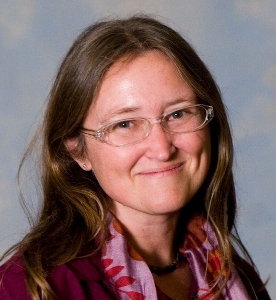
Speaker bio: Katrine Whiteson has a B.A. in Molecular Cell Biology – Biochemistry (2000) from the University of California, Berkeley, and a Ph.D. in Biochemistry from the University of Chicago (2007).
She is a biochemist interested in human-associated microbial and viral communities. She uses metagenomics, metabolomics, microbial genetics and ecological statistics to understand how individual and persistent human-associated microbial and viral communities affect health. Infection with a bacterial pathogen, vaccination, immune development and even taking a Tylenol does not occur in a vacuum. Dynamic microbial and viral communities constantly inhabit our bodies, encoding the majority of the unique genes that alter these processes. Resident microbial and viral community composition is unique to each human.
Specifically, she is working to understand the role of persistent microbial colonization in triggering inflammatory episodes in Cystic Fibrosis patients. Understanding microbial interactions and changes in microbial physiology that are associated with changes in patient status may lead to the development of biomarkers to diagnose changes in infection earlier and more specifically.
She also is interested in how phage (a virus that infects and replicates within bacteria) shapes dynamic host-associated microbial communities, and in characterizing the function of the 70% of phage encoded genes with no known function.
Dr. Whiteson is a co-Director of the UC Irvine Microbiome Center, which seeks to create cross-discipline collaboration to discover universal principles about microbiomes across all systems. The Center is supported by the Charlie Dunlop School of Biological Sciences, the School of Medicine, and the Office of Research. Find out more about UC Irvine Microbiome Center here.
For more details, please see Dr. Whiteson’s UCI biography and bibliography of published papers here.
Topic: How Microbes and Viruses Affect Human Health
Abstract: Dr. Whiteson’s presentation to The Lyncean Group will address the scope of her biochemical research activities as summarized in the speaker bio, above.
Invitations with further details will be e-mailed to Lyncean Group members about three weeks before the meeting.
+++